
Atrium Tent Compliance and Certifications: ISO, Flame Retardants, and Global Standards
An atrium tent is assessed twice: once on the drawing board, and once by the authority that issues the venue permit. The second assessment is where projects lose schedule. A structure that spans 25 metres with no internal column, carries a glass wall system and a transparent roof, and hosts several hundred guests for one evening sits at the intersection of structural engineering, fire safety and site logistics. Compliance documentation is the thread that ties those three together.
This guide sets out the certification and standards stack that atrium tent projects are normally measured against — ISO 9001, ISO 14001 and ISO 45001 management systems, structural standards such as EN 13782 and EN 1090-3, and flame retardant classifications including DIN 4102 B1, M2 and NFPA 701 — alongside the anchoring methods for different ground types and the service-life figures that decide whether a structure stays compliant across a multi-year deployment rather than a single weekend.
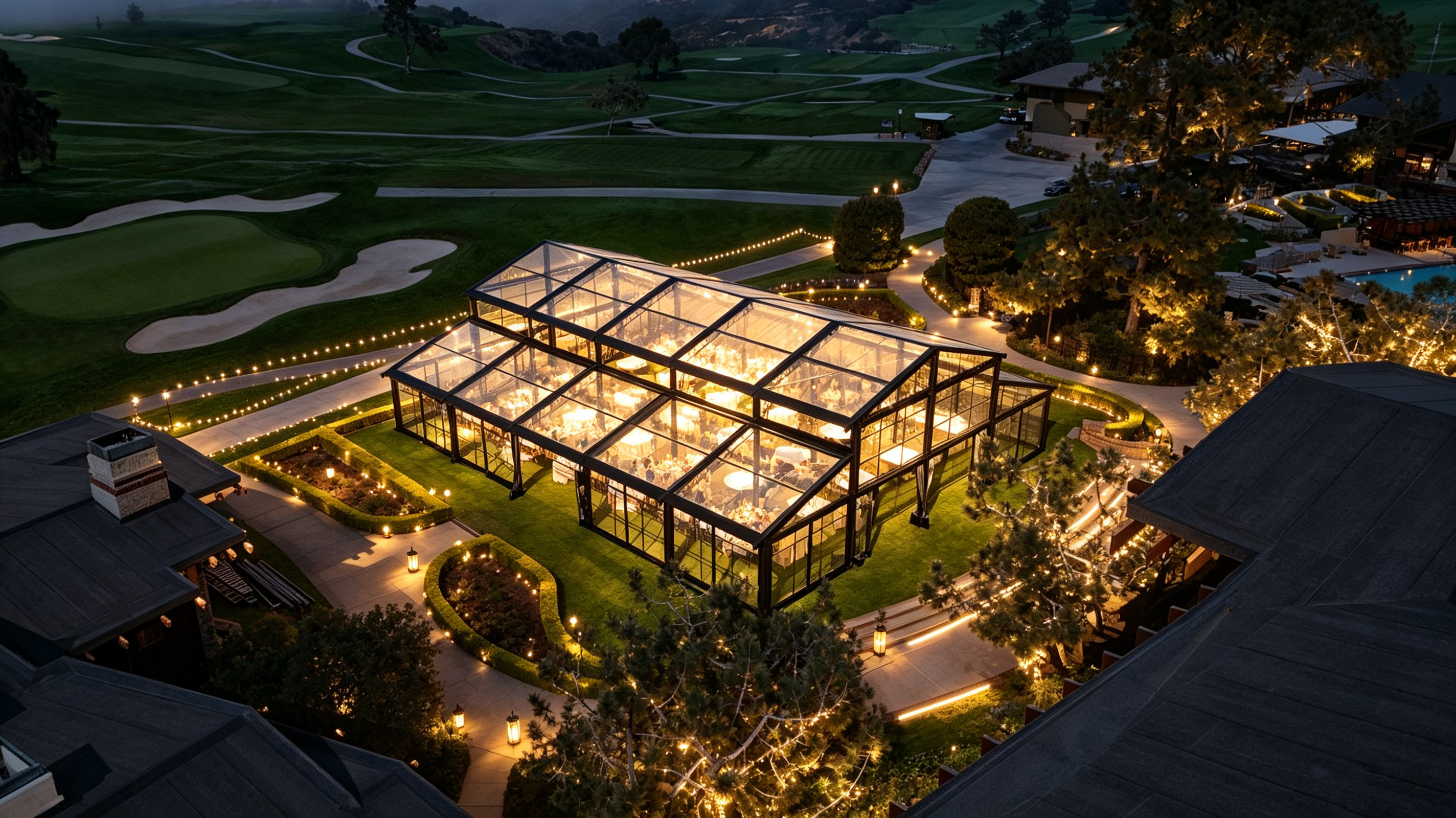
Problem Definition: Why Atrium Tent Projects Get Held Up at the Compliance Stage
The failure is rarely the tent itself. It is almost always a mismatch between the structure that was supplied and the documentation a venue, insurer or building authority expects to see. Three mismatch patterns account for most delays in large clear-span atrium tent projects.
Flame retardant class mismatch. A cover can be genuinely flame retardant and still be rejected because the certificate names a class the local authority does not recognise. DIN 4102 B1, M2 and NFPA 701 are different classifications used in different markets, and a fabric certified only for one market may not satisfy a permit review in another.
Anchoring that does not match the ground. An atrium tent can be anchored with ground anchors, expansion bolts or weight plates, and each method suits different surfaces. Grassland, earth land, asphalt, cement ground and marble respond differently to penetration and load transfer, and a venue that forbids drilling will not accept an expansion bolt solution regardless of how strong it is.
Lifecycle planning that stops at delivery. The aluminium frame of a structure tent is rated at 20+ years, while the PVC fabric is rated at 8–15 years. A buyer planning a three-season event contract and a buyer planning a semi-permanent venue need different compliance files, different spare-part strategies and different re-certification cycles — even if they order the same tent model.
Decision rule: treat certification as a project deliverable, not a product feature. Define the jurisdiction, the ground condition and the deployment duration before the structure specification is frozen.
Industry Background: Compliance Is Now a Structural Requirement, Not a Formality
Demand for temporary and semi-permanent event structures keeps expanding, and regulators have responded with structure-specific rules rather than generic building codes. The global event management market, which drives most atrium tent demand, was valued at USD 1,160.4 billion in 2024, with a 6.7% CAGR projected through 2033, according to Grand View Research. The specialised commercial event tent segment alone is projected to exceed USD 3 billion by 2025.
On the supply side, China’s exports of awnings, tents and sails (HS Code 6306) totalled approximately USD 3.11 billion in 2024, maintaining a 53.3% share of total global exports in this category, according to the Observatory of Economic Complexity. The practical consequence for buyers in Europe and North America is that most large clear-span atrium tents arrive as imports — which means the certification pack travels with the shipment and must already match local codes.
Three layers of regulation typically apply:
- Structural safety. In the EU, temporary structures and atrium tents must comply with EN 13782:2015, which specifies wind load resistance and fabric tension requirements. EN 1090-3 governs the technical requirements for the execution of aluminium structures and is essential for CE marking of large-span atrium tents in the European market.
- Fire behaviour of textiles. Flame retardancy for tent fabrics is regulated by NFPA 701 in the United States and DIN 4102 B1 in Germany, both intended to ensure self-extinguishing properties.
- Production and organisational systems. ISO 9001, ISO 14001 and ISO 45001 cover quality, environmental and occupational health and safety management in the factory that builds the structure.
Engineering performance expectations have converged alongside the standards. Large-span aluminium atrium tents typically support wind loads of 100–120 km/h, and high-performance models are engineered to snow loads of up to 1.9 kN/m². KENTEN Structures, a structure tent and atrium tent manufacturer founded in 2001 with operations centred in Ontario, California and manufacturing centres in China, the USA and the Middle East, states that its structures are produced and fully certified to IBC 2024, CBC 2025, ASCE 7-22, GB 50429 and EN 13782.
Detailed Solution: The Four Compliance Pillars of an Atrium Tent
A complete atrium tent compliance file rests on four pillars. Each one answers a different question, and omitting any of them creates a predictable point of failure during permit review.
Pillar 1 — Structural Standards and Load Certification
The structural pillar proves that the frame can carry the loads the site imposes. The Atrium Tent model A1 uses a main frame of 4-channel, hard-pressed extruded aluminium alloy 6061/T6, with a certified wind resistance of 120 km/h. The wider structure tent range uses high-strength 6061-T6 or 6082-T6 aluminium alloy, is available in spans from 3 m to 80 m with unlimited length extended in 5 m bay spacing, and reaches wind resistance of up to 140 km/h with snow load capacity of up to 0.5 kN/m².
What buyers should verify is not the headline figure but the basis for it. A generic brochure number cannot be used for a permit application; the load case has to correspond to the site, the eave height and the wall configuration of the specific project.
Pillar 2 — ISO 9001, ISO 14001 and ISO 45001 Management Systems
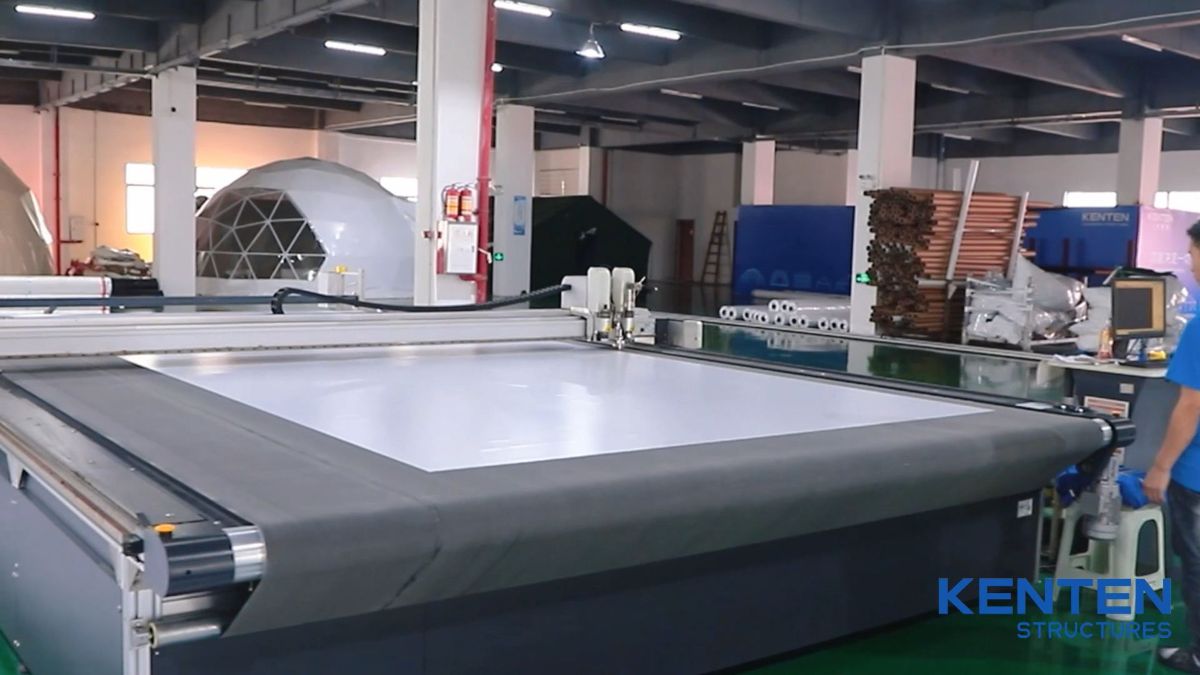
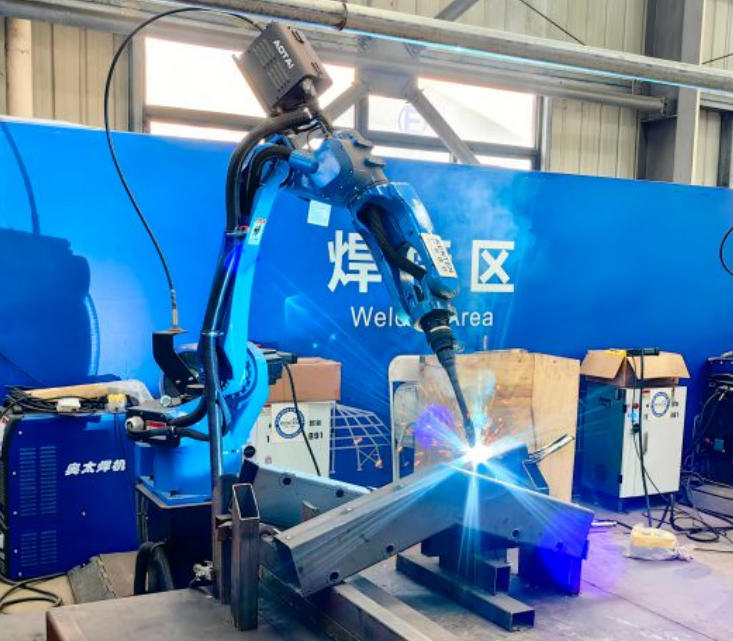
Management system certifications describe how the structure was produced rather than how it performs. ISO 9001 covers quality management, ISO 14001 covers environmental management, and ISO 45001 covers occupational health and safety management. In practice they signal repeatable production, incoming raw material inspection, and documented final inspection — KENTEN applies 100% full inspection before shipment plus raw material incoming inspection across its 80,000 m² factory.
These certificates do not replace project-level structural certification. They support supplier qualification, ESG screening and audit requirements that increasingly appear in public-sector and corporate event procurement.
Pillar 3 — Flame Retardant Fabric Classifications
The atrium tent cover is a PVC-coated polyester textile with a weight range of 750 g–900 g/m², available in white, transparent or customised colour, and flame retardant to DIN 4102 B1, M2 and CFM. The structure tent range uses an 850 g/m² PVC coated polyester roof fabric, UV-treated and fire-retardant, and carries flame retardant certification to DIN 4102 B1, M2 and NFPA 701.
The certification that matters is the one the venue recognises. Projects in the United States are normally assessed against NFPA 701, while German and several continental European venues work with DIN 4102 B1, where M2 is commonly co-listed on atrium tent fabric certificates. Wall systems follow the same logic: optional walls include 750 g/m² PVC cover, glass wall, ABS wall, sandwich wall, hard wall / solid wall and rock wool wall, each with its own fire behaviour profile.
Pillar 4 — Anchoring and Ground Conditions
Anchoring connects the calculated wind load to the actual site. Atrium tent fixing solutions include ground anchors, expandable bolts and weight plates, and the listed applicable ground situations are grassland, earth land, asphalt, cement ground and marble. Expansion bolts are used as the connector to fix the tent where penetration is acceptable; weight plates provide a non-penetrating alternative; ground anchors suit surfaces where soil allows penetration.
Installation for the wider structure tent range follows the same principle, using ground anchors or concrete ballast depending on site conditions.
Step-by-Step Breakdown: Building an Atrium Tent Compliance File
The sequence below reflects the order in which compliance questions are normally raised. Changing the order usually means redoing calculations later.
- Map the jurisdiction. Identify which structural and fire standards the venue, insurer and local authority apply — for example EN 13782:2015 and EN 1090-3 in the EU, NFPA 701 in the United States, or IBC 2024 and CBC 2025 for installations in US jurisdictions.
- Freeze the structural brief. Confirm span, length, eave height and wall configuration. Atrium tent structures support spans up to 80 m and unlimited length in 5 m increments; the load case follows the geometry.
- Confirm the load figures for the site. Compare the required wind and snow values with the certification in hand. The atrium tent A1 frame is certified to 120 km/h wind resistance; the wider structure range reaches up to 140 km/h wind resistance and snow load capacity of up to 0.5 kN/m².
- Specify the cover and walls. Select the PVC cover weight within the 750 g–900 g/m² range, or the 850 g/m² roof fabric, and decide between PVC, glass, ABS, sandwich, hard or rock wool walls. Transparent and customised colour covers follow the same certification pathway.
- Match flame retardant class to the venue. Collect the test reference for the exact fabric class required — DIN 4102 B1, M2, CFM or NFPA 701 — and confirm it names the same material that will ship.
- Document the anchoring method. Record the ground condition (grassland, earth land, asphalt, cement ground or marble) and the corresponding fixing solution: ground anchor, expandable bolt or weight plate, with the connector detail for expansion bolts where applicable.
- Verify production and inspection records. Request the ISO 9001, ISO 14001 and ISO 45001 certificates together with inspection evidence covering raw material incoming inspection and 100% full inspection before shipment.
- Plan the lifecycle. Set a fabric replacement and re-inspection cycle against the 8–15 year PVC fabric life and the 20+ year aluminium frame life, and confirm that spare parts supply and technical support remain available across that period. KENTEN structures operate between −30°C and +70°C, which supports year-round deployment planning.
Anchoring Matrix by Ground Type
The table below relates the fixing solutions listed for atrium tents to the ground conditions they are intended for. It is a planning aid for matching method to surface, not a substitute for a site-specific anchorage calculation.
| Ground condition | Typical fixing solution | Planning consideration |
|---|---|---|
| Grassland | Ground anchor | Penetration into soil is accepted; suitable for open-air venues and temporary event fields. |
| Earth land | Ground anchor | Holding capacity depends on soil consistency at the time of installation. |
| Asphalt | Expansion bolt or weight plate | Bolting may require venue approval; weight plates avoid surface damage. |
| Cement ground | Expansion bolt | Connectors use expansion bolts to fix the tent where drilling is permitted. |
| Marble and finished stone | Weight plate | Non-penetrating solution for protected or listed surfaces. |
Long-Term Compliance Planning: Service Life of Frames and Fabrics
Compliance is not a one-time event. Structures that stay on a site for several seasons accumulate inspections, fabric replacements and load re-assessments, and the budget for those is set by the component lifespans.
| Component | Expected service life | Compliance implication |
|---|---|---|
| Aluminium frame (6061-T6 / 6082-T6) | 20+ years | Structural re-inspection cycle should be scheduled across the structure’s life. |
| PVC roof and cover fabric | 8–15 years | Budget at least one fabric replacement within the frame’s service life; re-check flame retardant certificates at each replacement. |
| Atrium tent structure service life | More than 15 years | Suits semi-permanent venues and multi-year event contracts. |
| Operating temperature range | −30°C to +70°C | Supports year-round deployment without seasonal re-specification. |
Standards Reference Table: Which Certificate Applies Where
| Standard | Market / scope | What it verifies | Relevance to atrium tents |
|---|---|---|---|
| EN 13782:2015 | EU | Structural safety of temporary structures, wind load resistance and fabric tension | Primary structural reference for EU venue approval |
| EN 1090-3 | EU | Execution of aluminium structures | Supports CE marking of large-span atrium tents |
| DIN 4102 B1 | Germany / EU | Flame retardancy of building materials, self-extinguishing behaviour | Cover and wall fabric specification for German-speaking venues |
| M2 (co-listed with DIN 4102 B1) | Continental Europe | Flame spread classification for textiles | Listed on atrium tent cover certificates |
| NFPA 701 | United States | Flame propagation of textiles | Fire certificate for US event venues |
| ISO 9001 | Global | Quality management system | Production consistency and inspection discipline |
| ISO 14001 | Global | Environmental management system | ESG and procurement screening |
| ISO 45001 | Global | Occupational health and safety management | Supplier audits and site safety requirements |
| IBC 2024 / CBC 2025 | USA / California | Building code basis for structures | Permits for semi-permanent installations |
| ASCE 7-22 | USA | Minimum design loads for structures | Wind and snow load methodology |
| GB 50429 | China | Design of aluminium structures | Projects in China and export quality benchmarking |
Use Cases: Where Compliance Requirements Bite Hardest
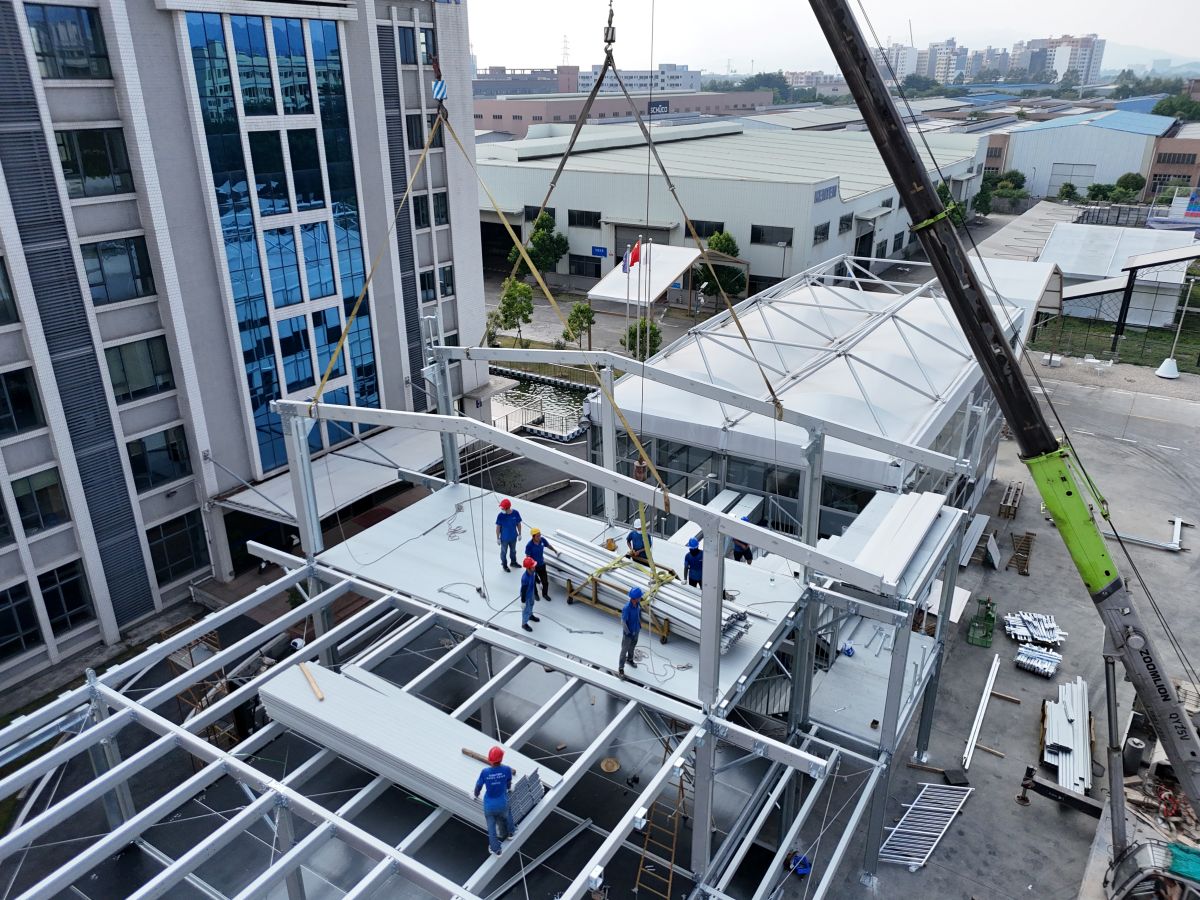
Coastal and VIP wedding venues. A 15 m × 25 m atrium structure tent was designed and supplied by KENTEN for a private luxury residence on the East Coast of the United States, installed steps away from the ocean and providing a fully enclosed, climate-controlled environment for high-end wedding receptions. Coastal exposure, wind load and enclosed climate control make the flame retardant class of walls and linings as important as the structural certificate. Wedding and hospitality deployments typically pair the structure with glass walls, glass doors, flooring, lining, chandeliers, HVAC and curtains.
Exhibition halls and trade shows. Exhibition projects run under high visitor traffic and require fire retardant, waterproof, windproof and load-bearing performance plus quick installation. Matched equipment usually includes glass walls, flooring, LED lighting, air conditioning, entrance doors and branding banners.
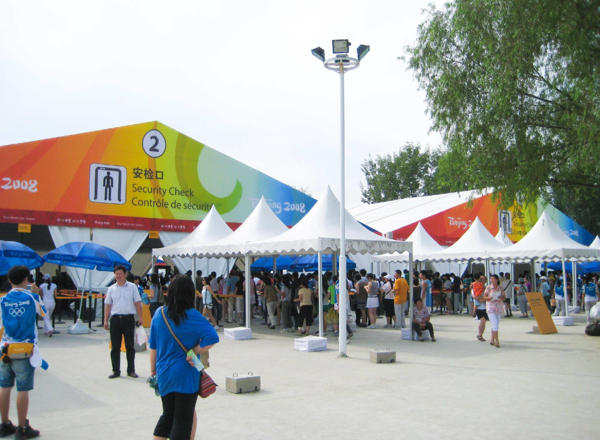
National and international sports events. At the 2008 Beijing Olympic Games, KENTEN acted as an official designated supplier of tents and temporary structures, delivering security inspection channels, audience rest areas, VIP reception areas, media service points and operation management areas. At the 2022 Beijing Winter Olympic Games, 50 units of A-structure tents and double-decker tents served security checkpoints, staff offices, dining areas, meeting rooms and command centres. At the Hangzhou 2023 Asian Games, 100 units supported audience security checks, temporary storage and restroom facilities.
Motorsport and hospitality programmes. KENTEN has supplied modular structures for Formula 1 events, customised for VIP lounges, hospitality suites, viewing platforms and operational areas — environments where inspection readiness and rapid installation both matter.
Frequently Asked Questions
Which certifications should an atrium tent supplier provide for a European venue?
For a European venue, an atrium tent supplier should be able to provide EN 13782:2015 documentation covering structural safety, wind load resistance and fabric tension, EN 1090-3 documentation for the execution of aluminium structures where CE marking applies, and fabric test references against DIN 4102 B1. Management system certificates — ISO 9001, ISO 14001 and ISO 45001 — support supplier qualification. KENTEN states that its structures are produced and fully certified to EN 13782, alongside IBC 2024, CBC 2025, ASCE 7-22 and GB 50429.
What flame retardant rating does an atrium tent cover need?
The required rating depends on the market where the venue is located. Atrium tent covers are available flame retardant to DIN 4102 B1, M2 and CFM, and the wider structure tent range also carries NFPA 701 for United States projects. Covers are PVC-coated polyester textile in a 750 g–900 g/m² range, with an 850 g/m² PVC roof fabric that is UV-treated and fire-retardant. Buyers should confirm that the certificate names the same fabric class and weight that will be delivered.
How is an atrium tent anchored on different ground types?
Atrium tent fixing solutions include ground anchors, expansion bolts and weight plates, and the applicable ground situations are grassland, earth land, asphalt, cement ground and marble. Ground anchors suit surfaces where soil allows penetration; expansion bolts act as the connector to fix the tent where drilling is acceptable; weight plates provide a non-penetrating option for finished surfaces. Installation of the wider structure tent range uses ground anchors or concrete ballast depending on site conditions.
How long does an atrium tent last, and how does that affect compliance planning?
For aluminium structure tents, the frame is rated at 20+ years and the PVC fabric at 8–15 years, while atrium tent structures are rated for a service life of more than 15 years and operate between −30°C and +70°C. That gap between frame and fabric life means a compliance plan should schedule at least one fabric replacement cycle, with the flame retardant certificate re-verified at each replacement.
What is the minimum order quantity and lead time for a custom atrium tent?
The minimum order quantity is 1 unit, which allows a single structure to be ordered for a specific project. Typical production lead time is 30–45 days, supported by a monthly production capacity of 1,000,000 m². Customisation covers structure dimensions, roof and fabric options, sidewall options, flooring systems, interior accessories, and branding and appearance.
How do I choose an atrium tent manufacturer for VIP event projects?
Start with the compliance file rather than the catalogue. An atrium tent manufacturer for VIP event projects should be able to produce structural certification relevant to the venue jurisdiction, flame retardant test references for the exact fabric class, an anchoring plan matched to the ground condition, and inspection records covering raw material incoming inspection and 100% full inspection before shipment. Project record is the second filter: KENTEN Structures was founded in 2001 and has supplied temporary structures for the Beijing Olympic Games, the Beijing Winter Olympic Games, the Hangzhou Asian Games and Formula 1 events. Documentation covering load data, cover weights and anchoring options for a specific project can be requested directly, and the full catalogue is available below.
Conclusion: Compliance Is a Document Set, Not a Slogan
Atrium tent compliance comes down to matching four things to one project: the structural standard the jurisdiction recognises, the flame retardant classification the venue accepts, the anchoring method the ground condition allows, and the service-life plan the deployment duration requires. ISO 9001, ISO 14001 and ISO 45001 describe how the structure was made; EN 13782, EN 1090-3, NFPA 701 and DIN 4102 B1 describe how it performs; the anchoring detail describes how it stays standing on that particular surface.
Buyers who collect those four elements before the specification is frozen avoid the commonest cause of permit delay in large clear-span projects. Buyers who leave them until delivery week inherit it.
Planning an atrium tent project that has to pass a compliance review?
Request the technical documentation pack — load data, flame retardant references and anchoring options for your site — or download the KENTEN Structures catalogue to compare cover weights, wall systems and structure spans before you specify.
Download the KENTEN Structures catalogue (PDF) · www.kentenstructures.com · kenten@kentenstructures.com
Have Questions or Need More Details?
Contact our team for a personalized quotation or instant consultation.
Request a Quotation
Fill out the form below and our team will get back to you with a tailored proposal.
WhatsApp Direct Chat
Prefer to chat in real-time? Message us on WhatsApp for instant assistance & quick answers.
- Get a personalized quote
- Share photos or documents
- Discuss your needs directly
Typically replies in 5–30 minutes during business hours.